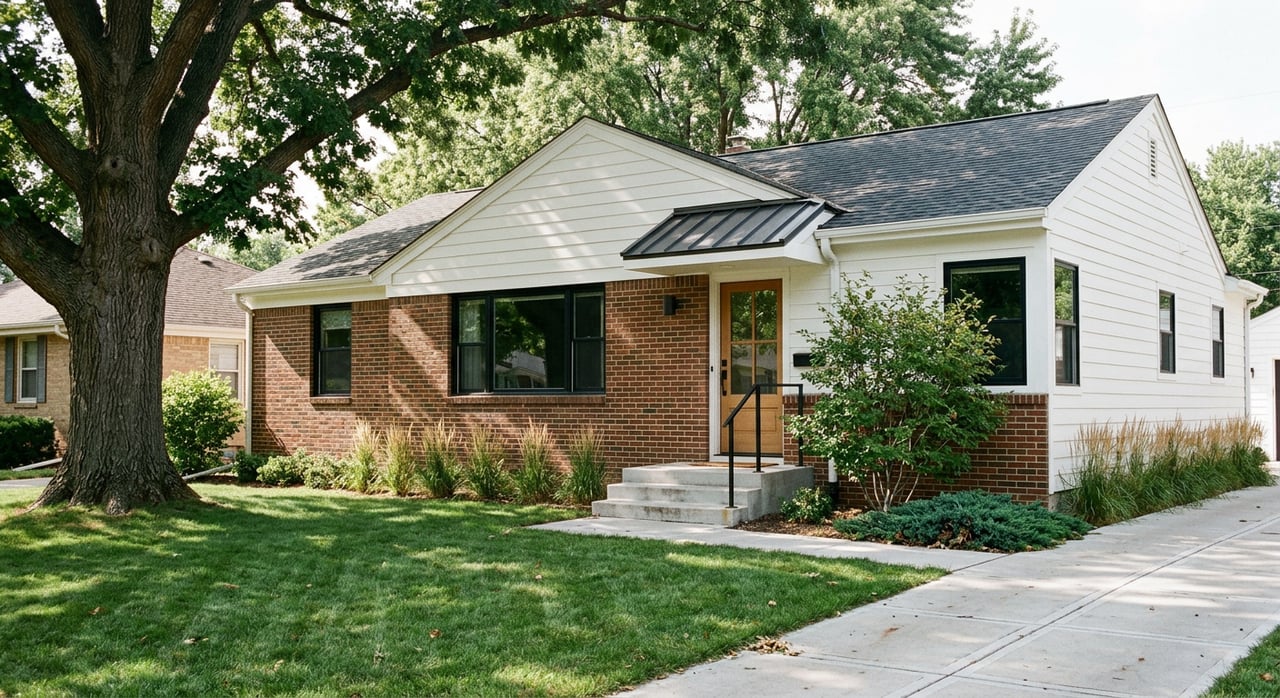
Torn between the shine of a new subdivision and the charm of a tree-lined street in Lafayette? You are not alone. Many buyers here weigh lower maintenance and modern systems against bigger lots, mature trees, and walk-to-downtown convenience. In this guide, you will learn the key trade-offs, see how local neighborhoods stack up, and get a step-by-step checklist to compare homes with confidence. Let’s dive in.
Lafayette market snapshot
Lafayette-area home values often land in the mid 600s to low 700s based on major market trackers. Methodologies and timeframes vary, so use local MLS comps for precise pricing on a specific property. Neighborhood and lot factors drive big swings, which is why block-level context matters here.
The city adopted the 2021 International Codes package for building permits, including the 2021 IECC energy code, effective August 1, 2023. That means most permitted new construction meets higher energy and safety standards. You can review details through the City of Lafayette’s Building Division to understand the local baseline for new builds.
As for new development, an example you may hear about is Willoughby Corner in east Lafayette. It is a multi-phase, permanently affordable community that integrates all-electric design and site-scale solar and geothermal. Projects like this show how energy-forward design and community amenities are being woven into modern Lafayette planning.
New build advantages and watch-outs
Energy performance and systems
New homes typically offer tighter building envelopes, modern insulation, and newer mechanicals. With Lafayette’s current code cycle in place, recent builds are more likely to include electric-ready features or energy upgrades that reduce utility costs over time. Many buyers also value new-home features and warranties, a trend noted in national buyer preference studies.
Tip: Ask specifically about electric vehicle prewiring, solar readiness, and the exact code version used for permits. The builder should be able to provide documentation.
Warranties and inspections
Builders often provide staged warranties for workmanship, systems, and structural coverage. Clarify what is covered, for how long, and who backs the warranty. Service backlogs and punch-list items can occur in the first year of a new community. A third-party inspection before closing helps protect your investment and gives you a clear punch-list for the builder.
- Learn how feature preferences and warranties matter to buyers in newer homes from this overview of buyer priorities.
- Understand common new-construction issues and why a buyer’s agent and independent inspector are important in guiding your purchase.
HOAs, covenants, and monthly costs
Many newer subdivisions and townhome communities have HOAs that maintain shared landscaping, design standards, and amenities. Fees vary and can change with capital projects, so review CC&Rs, budgets, reserve studies, and recent assessments before you commit. If you prefer fewer rules, compare with established streets that may not have an HOA at all.
You can find a helpful breakdown of typical HOA documents to request in new construction guides from reputable builders. Treat HOA fees as part of your monthly housing cost and confirm what is covered.
Metro districts and property taxes
In Colorado, new developments sometimes use metropolitan or special districts to finance infrastructure. These districts can layer additional mill levies on your property tax bill for a set period. Before you write an offer, ask your agent or title company for the current tax statement and any district disclosures. The Liverpool Metropolitan District page explains how these financing tools work in practice.
Early maintenance and finishing quality
New builds reduce near-term maintenance on roofs, furnaces, and major systems, which is a big win for many buyers. That said, finish quality can vary between builders. Pay attention to flooring transitions, cabinetry, tile work, exterior grading, and drainage. A good inspection report paired with clear warranty communication sets expectations for the first year.
Established street benefits and trade-offs
Lot size and mature trees
Older Lafayette neighborhoods like Old Town, the Waneka Lake area, and Indian Peaks often sit on mid-to-larger lots with established canopies. Shade, privacy, and garden space are common draws. The trade-off is maintenance. Large trees may need routine pruning, and older irrigation lines or roots can require care.
Walkability and downtown access
If you want a small-town feel where you can stroll to coffee, the library, or seasonal events, Old Town blocks deliver a higher level of walkability. Proximity to parks like Waneka Lake, with its boathouse and loop trail, adds year-round outdoor access. Trails and open space weave throughout the city, so map your routes from the front door to see how daily life might feel.
Explore the city’s Waneka Lake Boathouse to get a sense of local amenities and activity options nearby.
Updates, permits, and systems
Established homes often have character-rich architecture and mature streetscapes. Many also have layered renovations over time. Review the city’s permit history for roof replacements, additions, structural changes, or deferred permits. Older homes may have legacy electrical or plumbing that needs updating, so plan for an inspection focused on systems and drainage.
Neighborhood snapshots in Lafayette
Old Town and Waneka Lake
- Character-forward homes, tree-lined blocks, and a central location.
- Higher walkability in core pockets, plus quick access to the Waneka Lake trail and boathouse.
- Lots often feel larger and more varied than in newer subdivisions, which supports outdoor living.
Learn more about Waneka Lake and its seasonal facilities on the city’s page for the boathouse.
Indian Peaks and golf-course pockets
- Known for privacy, larger lots in many sections, and attractive streetscapes.
- A good fit if you want more yard, established trees, and a traditional single-family feel.
- Expect pricing to reflect lot size and neighborhood amenities.
Anna’s Farm and newer infill
- Newer-construction homes and townhomes with pedestrian greenbelts.
- Modern finishes and typically smaller yards than older blocks.
- A practical compromise if you want recent construction near downtown conveniences.
Willoughby Corner
- A large, planned, permanently affordable neighborhood with an all-electric design profile.
- Demonstrates how solar and community features are being integrated into modern Lafayette projects.
- A public-sector-led model that broadens local housing options.
Read about the first phase and energy-forward design on Boulder County’s Willoughby Corner page.
Side-by-side checklist: compare any two homes
Location & walkability: walk a 10–15 minute radius from the front door — are errands, parks, or downtown reachable on foot? Check Walk Score or property listings for block-level walkability numbers and test the route yourself.
Lot & canopy: confirm lot size (public records/MLS) and inspect tree canopy; note large trees (maintenance liability) vs. landscaped young yards (time to mature). Example lot sizes in Old Town often exceed about 6,500–7,500 square feet on listings.
Systems & warranties (new builds): request the builder’s written warranties (what is covered for 1 year, 2 years, 10 years), ask for as-built plans, and get a third-party pre-closing inspection in writing. Confirm any promised solar or EV wiring commitments.
HOAs & covenants: obtain CC&Rs, HOA budgets, minutes and reserve studies, and recent special assessments. If an HOA exists, include fees in your monthly cost analysis.
Special district debt or taxes: ask the seller or title company for the current property tax statement and search the county assessor for any special district mill levies or bond disclosures. New subdivisions in Colorado often use metro districts for infrastructure.
Permits & code compliance: review the city permit history for additions, roof replacements, or deferred permits. For new builds, confirm final CO — the certificate of occupancy — and building department inspection records.
Flood, drainage, wildfire risk: check FEMA flood maps and local wildfire buffers, especially in outer areas closer to open space. Ask sellers or agents for recent drainage or insurance claims history. Local hazard exposure can affect insurance costs and resale.
Schools & catchment: confirm current Boulder Valley School District assignments for the parcel and check any upcoming boundary changes. Proximity to Centaurus High or neighborhood elementary schools is a major family factor.
Comparable sales & future supply: pull 6–12 months of MLS comps for both older blocks and new subdivisions nearby. Compare similar lot sizes and bedroom counts. New developments can slow resale pace if they introduce a large wave of comparable new inventory.
How to choose with confidence
Start by listing your top three priorities. For many buyers, it is energy savings and low maintenance. For others, it is a bigger yard and a quick walk to downtown. Then tour both options within the same weekend to feel the contrast in light, privacy, and daily convenience.
Use the checklist above, and layer in a few must-do tasks:
- Visit the City of Lafayette’s Building Division page to understand the code baseline on any recent build. Ask the builder for warranty terms, plans, and inspection reports.
- If an HOA is involved, review documents and fee history, and model the total monthly cost.
- Ask the title company for the current property tax statement to identify any metro district mill levies.
- Verify school assignments through Boulder Valley School District resources like the Centaurus High School profile page, and confirm by parcel.
- Build an apples-to-apples comp set for both home types, including price per square foot, lot size, and days on market.
When you are deciding between a new build and an established street, the best choice is the one that fits your daily life and long-term budget. If you want help pressure-testing a shortlist or setting up a focused tour, reach out to The Niwot Group at Compass. Our team brings neighborhood-level insight and a calm, data-informed process to your search.
FAQs
What price range should I expect in Lafayette right now?
- Major market trackers show Lafayette-area values in the mid 600s to low 700s, but you should rely on local MLS comps for precise pricing on a specific home and block.
How do Lafayette’s 2021 building codes affect new homes?
- The city enforces the 2021 International Codes, including the 2021 IECC energy code, which raises the bar for energy efficiency and safety on permitted new construction.
What is a metro district and how can it impact my taxes?
- Metro districts can levy additional mill levies to repay infrastructure bonds, which increases your property tax bill for a period. Always review the tax statement and district disclosures.
How should I evaluate schools when buying in Lafayette?
- Verify current Boulder Valley School District boundaries by parcel and check for any upcoming changes. School assignment often influences buyer demand and long-term resale.
What factors tend to drive resale value in Lafayette?
- Proximity to downtown and parks, lot size and tree canopy, school assignment, and overall neighborhood character are consistent value drivers. Energy-efficient features also help attract future buyers.