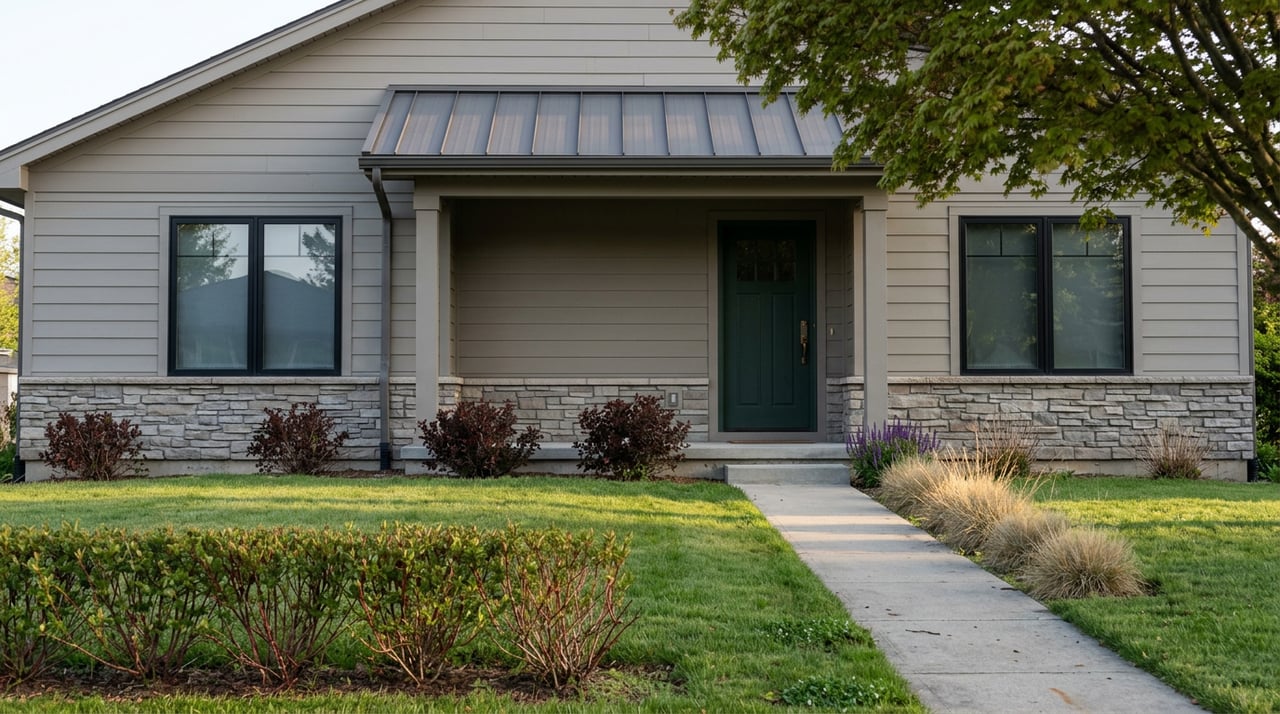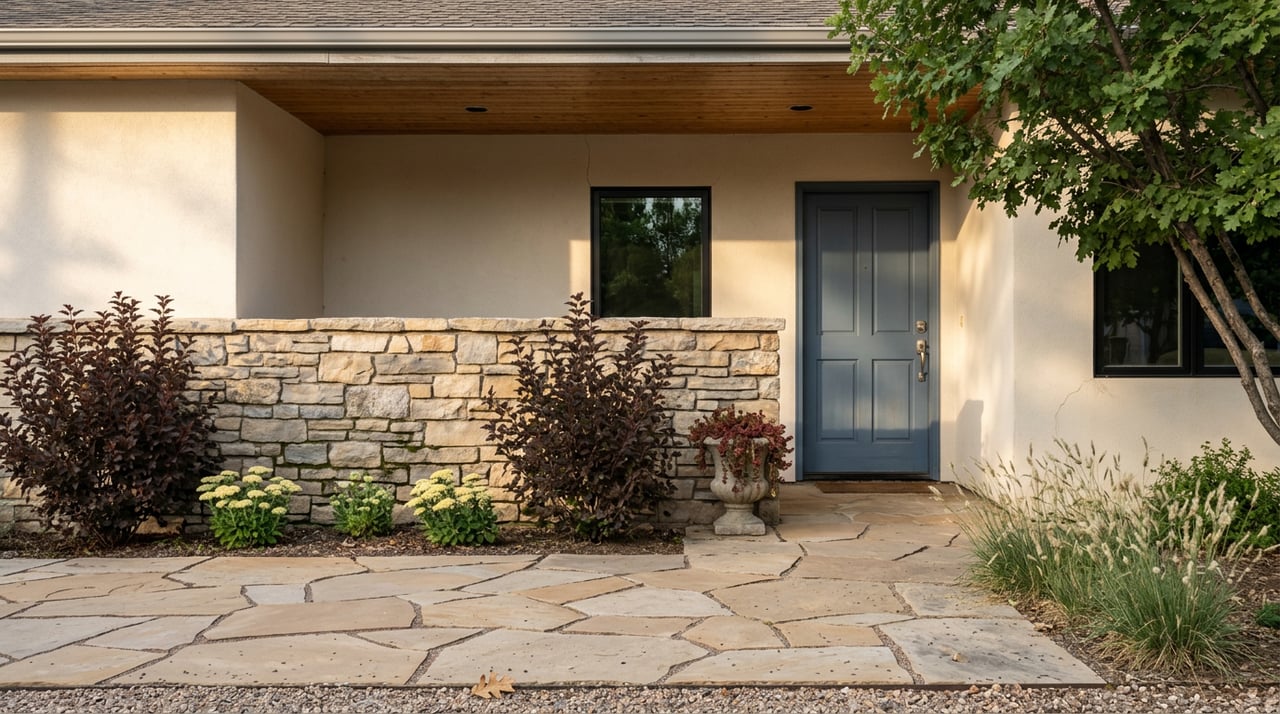
If you start your Boulder home search thinking the city feels the same block to block, you can get off track fast. Boulder is better understood as a group of micro neighborhoods, each shaped by its own housing mix, street pattern, trail access, and land-use history. When you know how those differences show up in daily life, your shortlist gets clearer and your search gets much more efficient. Let’s dive in.
Why Boulder Feels So Different by Area
Boulder is not one uniform housing market. The city identifies subcommunities based on physical boundaries like roads, waterways, and topography, and Boulder Valley includes ten subcommunities.
That matters because names like Downtown, Mapleton Hill, Table Mesa, or Gunbarrel are more than casual labels. For homebuyers, they often signal differences in home age, lot size, housing type, and how connected an area feels to trails, shopping, or the urban core.
Boulder’s setting also sharpens those differences. The city has 45,000 acres of preserved open space and more than 150 miles of trails, so proximity to trail systems and the foothills can shape both lifestyle and home values.
What Homebuyers Should Compare First
Before you focus only on price or square footage, it helps to compare a few neighborhood basics. In Boulder, the biggest differences often come down to:
- Housing age and architectural style
- Historic district status
- Walkability and access to commercial areas
- Trail and open space access
- Parking patterns and visitor traffic
- Lot size and overall neighborhood feel
Two homes just a few blocks apart can live very differently. In older central areas, the city notes that even blocks that began as single-family neighborhoods may now include a mix of housing types and densities.
Downtown Boulder: The Most Urban Feel
Downtown Boulder offers the city’s most compact urban environment. The Downtown Historic District is generally bounded by Walnut, Spruce, 10th, and 16th streets, and the Pearl Street Mall is a four-block pedestrian mall running from 11th to 15th streets.
For buyers, downtown usually means strong walkability, easy access to restaurants and events, and a car-light lifestyle. It also means a more managed public realm, with dedicated parking and access systems that reinforce a more urban feel than many other parts of Boulder.
If you picture Boulder as lively streets, shops, and activity close at hand, downtown may match that vision. If you want a larger yard or a quieter, more residential rhythm, other micro neighborhoods may fit better.
University Hill: Close to the Core, Different Energy
University Hill is near downtown, but it has its own identity. The city describes it as a dynamic neighborhood with restaurants, shops, and entertainment venues, centered around a compact three-block commercial district.
The area’s parking and public-space planning also set it apart. The district was originally formed to support off-street parking and later pedestrian and bicycle amenities, which helps explain why daily life here feels different from a more suburban neighborhood.
For buyers, University Hill can appeal if you want central access and an active setting. It is less about yard-oriented living and more about proximity, movement, and a compact neighborhood pattern.
Mapleton Hill: Historic Character in Central Boulder
Mapleton Hill is one of Boulder’s clearest examples of a historic residential district. It is generally bounded by Concord, Spruce, 4th Street, and Broadway, and about 57% of its homes were built before 1910.
That older housing stock gives the area a distinct sense of character. It also means buyers should understand that historic districts can come with design review and preservation-related considerations.
If you are drawn to older homes, mature streetscapes, and central Boulder access, Mapleton Hill may rise quickly on your list. It offers a very different experience from newer neighborhoods, even when the distance to downtown is not far.
Chautauqua: Iconic Trail Access and Foothill Setting
Chautauqua sits along Boulder’s central and western foothill edge and is one of the city’s most trail-centered places. Chautauqua Park is part of a historic landmark and offers direct access to open space trails and the Flatirons.
For many buyers, the main draw is immediate access to Boulder’s iconic landscape. That said, limited parking and paid parking on summer weekends and holidays are part of the area’s day-to-day reality.
This is a good example of how Boulder lifestyle tradeoffs work. You may gain exceptional trail access and scenery, but you also need to think about seasonal traffic patterns and access management.
North Boulder: Eclectic Housing and Neighborhood Scale
North Boulder often appeals to buyers who want a more neighborhood-forward feel without giving up access to trails and nearby services. The city describes it as eclectic, with a variety of housing types, lot sizes, and street patterns that reflect different eras of development.
Newer development in North Boulder has followed a neotraditional style, with fine-grained streets and business districts within walking distance of residential areas. That mix gives the area a layered feel rather than a single housing identity.
Trail access is also a major advantage here. Wonderland Lake Park and the Wonderland Lake Trailhead are signature amenities, connecting residents to open space, water access, and trails.
South Boulder and Table Mesa: Established and Trail-Oriented
South Boulder is known for its established neighborhoods and mid-century roots. The city says much of the area developed in the 1950s and 1960s, including neighborhoods such as Martin Acres and Table Mesa North and South.
For buyers, this often translates to a more traditional residential pattern and a less dense feel than central Boulder. The Table Mesa shopping center serves as the area’s primary retail destination, adding practical convenience close to home.
South Boulder stands out especially for outdoor access. The city’s factsheet lists nine trailheads in the area, and routes connect to destinations like the Mesa Trail, NCAR-Bear Canyon, Shadow Canyon, and Chautauqua-area trails.
If you want established residential streets, mid-century housing, and strong access to outdoor recreation, South Boulder often belongs on the shortlist.
East Boulder: Mixed-Use and Evolving
East Boulder can surprise buyers who expect every part of Boulder to feel primarily residential. The city’s subcommunity planning describes East Boulder as evolving into a local business hub with a variety of housing options and a more artful community.
It also differs from the city’s trail-adjacent areas. According to the city’s inventory report, East Boulder has no trailheads, only access points to the open space system.
That distinction matters in practice. East Boulder may feel less like a foothill or trailhead neighborhood and more like a mixed business and residential area with a different rhythm and housing mix.
Gunbarrel: More Suburban, Still Connected
Gunbarrel sits farther from central Boulder’s urban core and tends to read as more suburban. City planning materials describe efforts to transition parts of its commercial area from mostly light industrial uses toward a more pedestrian-oriented center.
Its housing stock includes detached single-family homes, multifamily homes, and attached homes, and the area’s density is below the city average. For buyers, that can mean a broader mix of housing choices and a different overall feel than central Boulder.
Gunbarrel still connects to open space routes, including the East Boulder-Gunbarrel trail. But compared with Downtown, Mapleton Hill, or Chautauqua, it typically feels less urban and less tied to Boulder’s central historic core.
Why Prices Can Change So Quickly
In Boulder, price differences are often tied to a repeat set of neighborhood factors. These commonly include historic district status, home age, lot size, proximity to Pearl Street or CU, trail access, and how much parking or visitor traffic a street absorbs.
Historic protections can influence the ownership experience. Boulder has 10 historic districts and more than 1,300 designated historic properties, and design review applies in those districts.
Supply pressure also plays a role citywide. The city reports that housing units increased by 8.4% between 2013 and 2023, while permanently affordable housing grew from 981 units in 1992 to 4,094 by December 2024 as part of a longer-term affordability goal.
For buyers, the takeaway is simple: Boulder’s best-located micro neighborhoods often stay expensive because the lifestyle differences are real, and supply remains limited in many high-demand areas.
How to Build a Smarter Boulder Shortlist
A better Boulder home search starts with lifestyle priorities, not just map pins. When you are comparing micro neighborhoods, ask yourself which of these matters most:
- Walkability to shops, dining, and events
- Immediate trail or open space access
- Historic character and older housing stock
- Easier parking and a quieter street pattern
- Mid-century homes and established residential blocks
- A more suburban feel with broader housing variety
A practical way to frame the city is this:
- Downtown and University Hill if you want the most walkable and urban setting
- Mapleton Hill and Chautauqua if historic character and Boulder’s iconic foothill edge matter most
- North Boulder if you want neighborhood scale, variety, and strong trail access
- South Boulder and Table Mesa if you want established residential areas and easy access to multiple trailheads
- East Boulder and Gunbarrel if you are open to a less central setting with a different housing mix
The right fit depends on how you want to live day to day. In Boulder, neighborhood choice is often less about prestige and more about matching your routine to the right setting.
If you want help narrowing Boulder’s many micro neighborhoods into a realistic buyer shortlist, The Niwot Group at Compass can help you compare the details that matter most and guide you with local insight every step of the way.
FAQs
What makes Boulder micro neighborhoods different for homebuyers?
- Boulder micro neighborhoods differ by housing age, lot size, housing type, trail access, walkability, parking patterns, and historic district status.
Which Boulder neighborhoods feel most urban for homebuyers?
- Downtown Boulder and University Hill usually offer the most urban feel, with compact commercial areas, stronger walkability, and more parking and access management.
Which Boulder areas offer the best trail access for homebuyers?
- Chautauqua, North Boulder, and South Boulder stand out for strong trail access, with South Boulder offering nine trailheads and Chautauqua providing direct access to the Flatirons area.
What should homebuyers know about Mapleton Hill in Boulder?
- Mapleton Hill is a historic central Boulder district with many homes built before 1910, giving it strong historic character along with design review considerations.
How does Gunbarrel differ from central Boulder for homebuyers?
- Gunbarrel generally feels more suburban, with a mixed housing stock and lower density than central Boulder, while still offering access to east and northeast open-space routes.
Why do Boulder home prices vary so much by neighborhood?
- Prices often vary based on historic district status, proximity to Pearl Street or CU, trail access, lot size, home age, and the level of parking or visitor traffic on a street.